
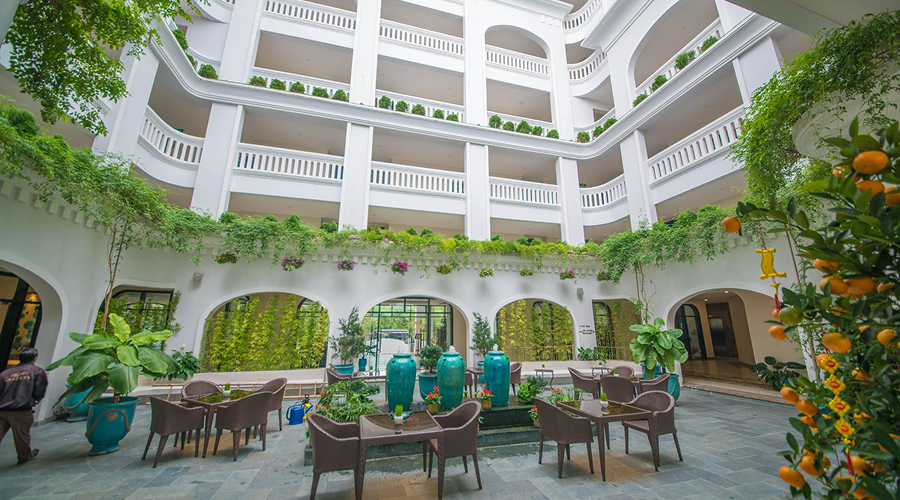
It’s common for people to get confused between a hotel, motel, or inn. While everyone knows these terms relate to accommodation and food services, many still don’t understand the exact difference between an inn and a hotel. This article will simplify hotel vs. inn and explain how each one is unique in its own way.
Hotel
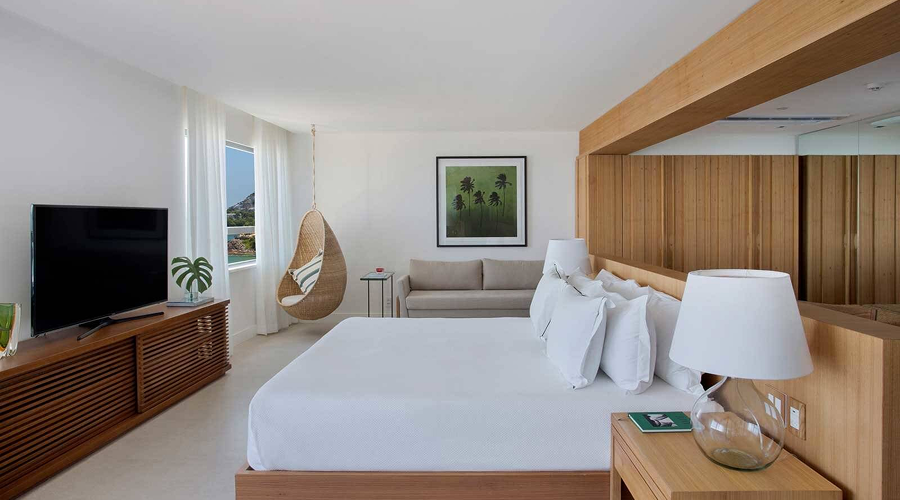
Hotels are established for a commercial purpose that provides rooms or suits to visitors, travelers, business associates, backpackers, and vacationers. Today’s scenario is that you will find many types of hotels in each city in which you can stay for days and get all the services they provide. You will find a separate restaurant in each hotel where you can take your meal or even ask for the room services. Some hotels also have facilities of swimming pool, gymnasium, spa, bar, etc. The bathrooms, along with modern accessories, cupboards, and television, are commonly found in most hotels.
Inn
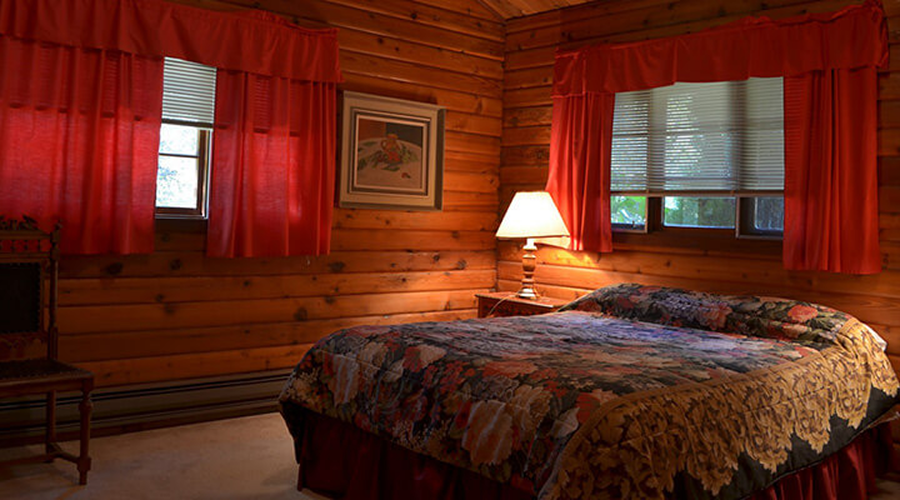
Inns are primarily built to provide lodging for travelers passing through highways. These places usually function as small restaurants offering basic food and drinks. Along with that, they provide short-term accommodation typically for a night or two before visitors continue their journey. Inns are generally not meant for long stays due to limited facilities. They are located on highways where there are fewer sightseeing spots and minimal food options. Many inns may not offer essential amenities like hot water or telephone services; they simply provide a basic room where travelers can rest and prepare for the next part of their trip.
Difference Between Inn and Hotel
It’s natural for people to get confused between a hotel, motel, or inn. We all know these terms relate to accommodation and food services, but many still don’t clearly understand the exact difference between an inn and a hotel. This article explains “Hotel vs Inn” in a simple and accurate way, giving both equal justice because each one is unique in its own way.
What Is an Inn?
Inns are primarily built to offer lodging to passing travelers on highways. Most inns function like small restaurants where visitors can get basic meals and drinks. Along with that, they offer short-term accommodation usually for one or two nights before travelers continue their journey.
Key points about inns:
Designed for short stays, not long vacations.
Usually located on highways with limited sightseeing and food options.
Typically offer basic facilities only some inns may not provide hot water, telephone services, or luxury amenities.
They provide simple rooms to rest, refresh, and resume your journey.
What Is a Hotel?
Hotels are much larger and more commercially developed compared to inns. They offer a wider range of facilities, multiple room types, and services designed for comfort, luxury, and longer stays.
Major Differences Between an Inn and a Hotel
Size & Capacity:
Hotels have large buildings with many rooms; inns usually have 3 to 5 rooms.Ownership:
Inns are often owned and operated by the host themselves, similar to a homestay.
Hotels are owned by professional owners, groups, or partners.Professionalism:
Hotels provide a professional atmosphere with trained staff.
Inns are simpler, more homely, and less formal.Cost:
Hotels are more expensive due to services like pools, conference halls, 24/7 staff, etc.
Inns are budget-friendly.Food Options:
Hotels offer gourmet meals and full restaurant menus.
Inns usually serve only a basic selection available in their kitchen.Location:
Inns are generally located away from the city, often on highways.
Hotels are usually found within cities or prime tourist areas.Management:
Hotels are managed by professional teams, while inns are mostly run by the owners themselves.Ratings & Grades:
Hotels have star ratings (2-star, 3-star, 5-star, etc.).
Inns may or may not have ratings.Restaurants & Amenities:
Hotels have dedicated restaurants, big rooms, and recreational spaces.
Inns provide smaller rooms with limited food and almost no entertainment facilities.Capacity:
Hotels can accommodate hundreds or thousands of guests.
Inns have limited space and fewer rooms.
Hotels may also arrange entertainment events, while inns typically do not.
The Bottom Line
That’s the clear difference between an inn and a hotel. Your choice should depend on your travel duration, budget, comfort level, and purpose. If you prefer comfort and facilities, book a hotel in advance. If you just need a quick rest during travel, an inn is more than enough mostly without the need for pre-booking.